Our community guidelines
Respect
As part of our mission to make it easier for everyone to experience the world, we're committed to doing everything we can to eliminate all forms of unlawful bias, discrimination, intolerance, harassment and abuse on our platforms. Our anti-discrimination policy ensures we have processes in place to protect you, your guests, your staff and your property. We want all our customers to feel safe and respected.
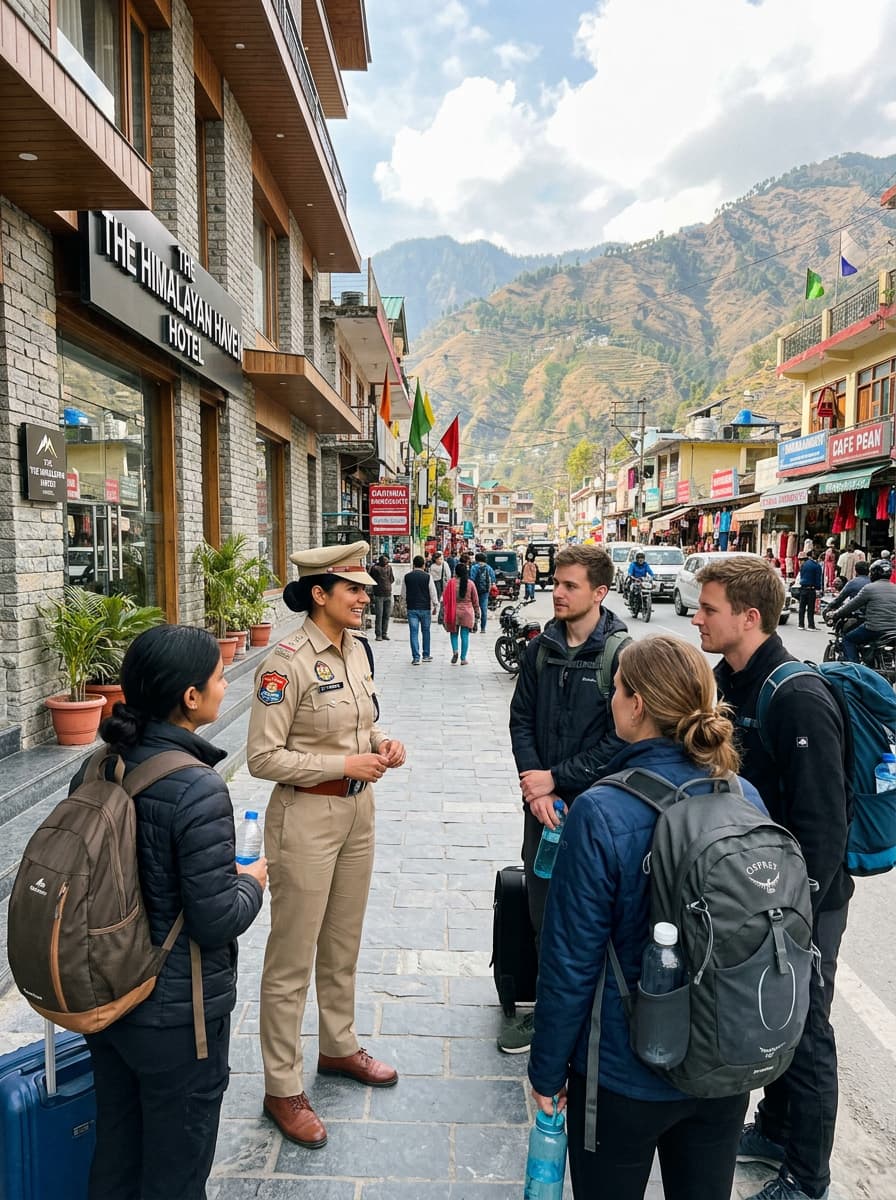
Behaviour promoting violence, discriminatory language or hatred against a person or group based on who they are is unacceptable. This includes any form of discrimination, such as unfair or unequal treatment based on personal characteristics like race, ethnicity, religion, or physical abilities. Even in high-stress congestion at checkposts, you should make every effort to be welcoming to guests of all backgrounds.
No one – whether partners, guests or prospective guests – should face unfair or unequal treatment based on, but not limited to, the following characteristics:
- Race, ethnicity, religion: views, whether or not they own property, sexual orientation, mental or physical abilities.
- Actual or perceived disability: for example, by charging additional fees to a guest needing specialized oxygen logistics or assistance animals, or denying entry to a service animal.
- Actual or perceived age: for example, by charging additional fees to guests in a certain age group. But, you may set reasonable minimum age limits for guests checking in as long as those limits are universally applied to all guests.
- You may not subject individuals or a group of people to harassment, violence, or abuse of any form.

Safety
Physical Safety
We aim for an inclusive, global travel community, and we want our guests and partners to interact and share travel experiences with utmost respect, trust and safety. Every person has the right and expectation to have their physical well-being preserved and to be free from violence, harm or abuse. We take allegations of physical abuse extremely seriously.
The use of any items or chemical substances deemed as weapons or tools to facilitate unwanted behaviour, including actions intended to harm someone, also constitutes a breach of our community standards and guidelines. You shouldn't engage in or encourage behaviour that harms, threatens to harm or shows intent to harm any person or property.
Unacceptable behaviour includes – but isn't limited to – the following:
- Physical abuse: physical altercations, intentional damage to the property and/or personal possessions, threats of physical violence and using physical force to get people to do something against their will.
- Using objects as weapons: threatening to or actually using an object to harm someone in pricing disputes.
- Threats of violence: intimidating or threatening another person with physical harm regardless of whether the threat is acted upon.
- Non-consensual physical touching: any unwelcome physical contact including groping, touching or any other form of assault.
Safety hazards
We take the safety and security of our guests and partners seriously. Partners have a duty of care to ensure that their property listings are free from hazards and provide a secure environment for guests. If you fail to maintain your property free of safety hazards, you put your guests and staff at potential risk.

Examples of behaviour that put guests and staff safety at risk include, but aren't limited to:
- Neglecting repairs: ignoring or postponing essential repairs that can pose a risk to guests and staff, such as broken handrails on steep mountain staircases.
- Lack of safety equipment: the property lacks functional smoke alarms, or fire safety equipment where required by local laws.
- Non-disclosure: failing to disclose potential risks associated with the property, such as construction sites within your property or lack of fencing around drops.
- Blocked exits: obstructing or locking potential emergency exit routes, hindering safe evacuation in case of emergencies or floods.
Privacy
The privacy of our partners and their guests is crucial to us. Adherence to our privacy policies helps build trust and ensure everyone feels safe.
Physical privacy: during an interaction, one should be mindful of other people's personal space, belongings, and personal information and respect their privacy. Intentional or unintentional intrusion of privacy is strictly prohibited. The concept of private space involves understanding and respecting boundaries to ensure a positive interaction.
Physical space boundaries
- Guest's private space: these are designated guest areas, and partners should clearly outline them. Examples of guest's private spaces are bathrooms, bedrooms, hotel rooms, or dormitory beds rented exclusively by the guest.
- Partner's private space: these are designated partner areas that partners should outline and clearly communicate to travellers. We encourage setting up house rules to address privacy concerns.
Use of surveillance devices and CCTV
- Placement of surveillance devices: make sure any surveillance devices on your property are consistent with local laws and regulations, including, but not limited to, privacy laws. These devices should only be used for safety and monitoring in common areas, such as entrances, hallways, parking lots and public places.
- The devices mustn't compromise guests' privacy. They mustn't be installed in areas where guests expect privacy, such as the living room or bathroom.
- Whenever partners have placed surveillance devices on their property, they must disclose them on their property profile so that guests can make well-informed decisions.
Examples of unacceptable behaviour include – but aren't limited to – the following:
- Invading someone's private space.
- Entering a private area or where privacy is expected without consent or knowledge.
- Placing hidden and/or undisclosed surveillance devices.
- Placing surveillance devices where there is an expectation of privacy.
- Recording or photographing without consent.
- Going through someone's personal belongings, for example: As a guest, any partner locked cupboard, mail, forgotten bag, purse, etc. As a partner, any guest's backpack, luggage, bag/purse, etc.