Guptkashi Highlights
- Pilgrimage
- Temples
- Mythology
- Himalayan Views
- Sacred Town
Overview
Overview
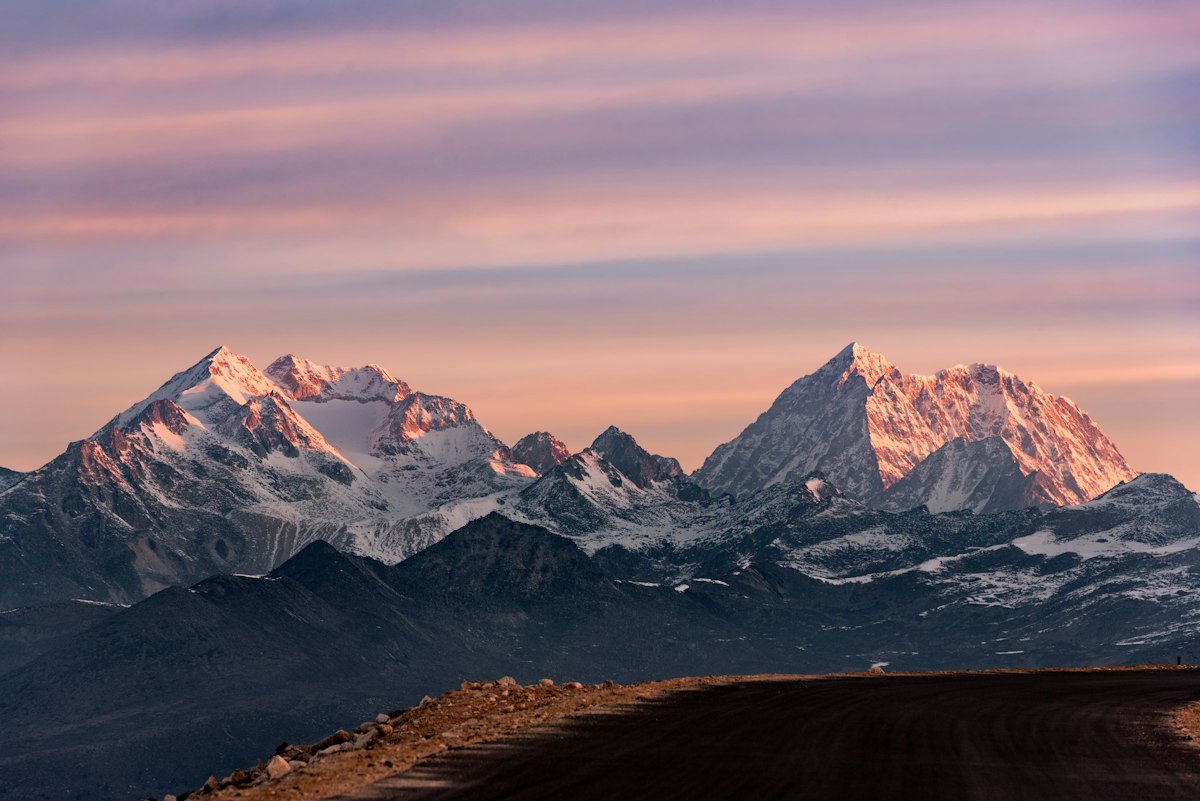
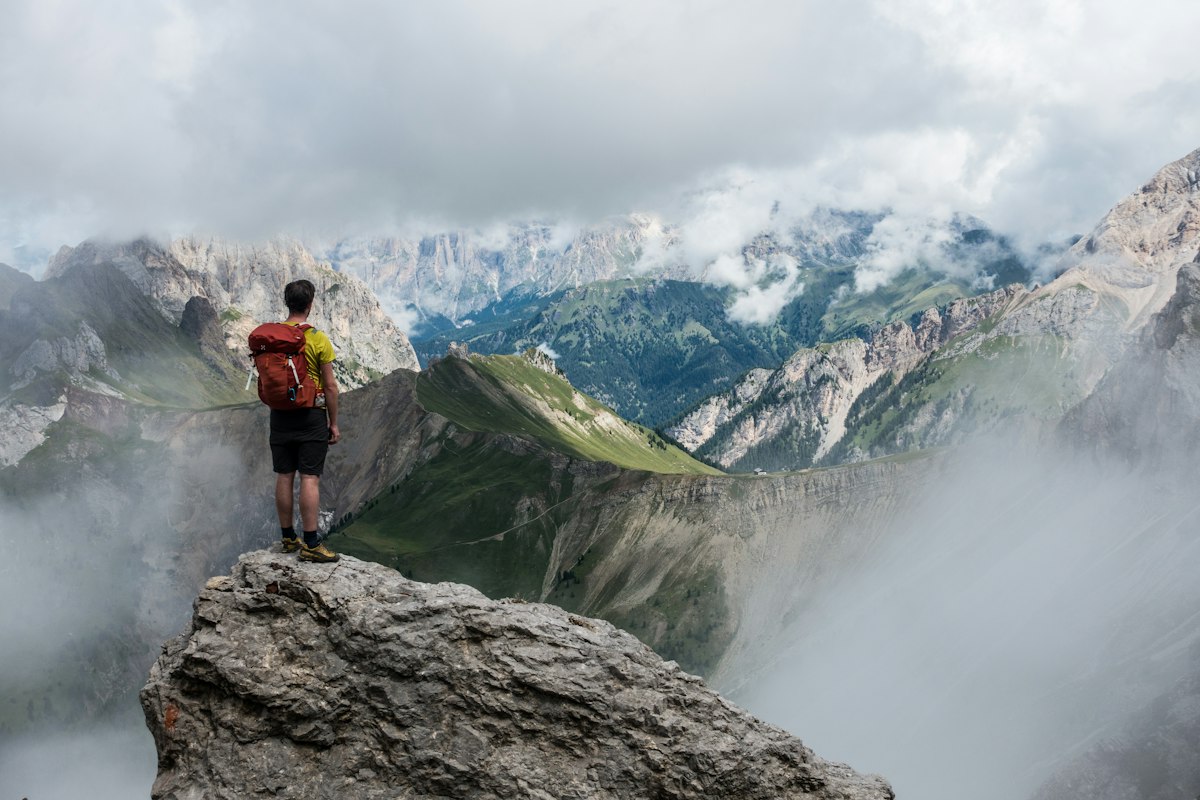
Perched at an elevation of 1,319 meters in the picturesque Rudraprayag District of Uttarakhand, Guptkashi serves as a significant spiritual hub in the Garhwal Himalayas. Offering stunning panoramic views of the Chaukhamba peaks, the town is enveloped by lush green forests and the serene Mandakini River valley. Its salubrious climate and tranquil atmosphere make it a perfect prelude to the arduous Kedarnath pilgrimage.
Legend and Significance
The name 'Guptkashi' literally translates to 'Hidden Kashi' (Varanasi), steeped in rich Hindu mythology. According to legend, after the Kurukshetra war, the Pandavas sought Lord Shiva to atone for their sins. However, Lord Shiva, displeased by the war's events, concealed himself here as a bull (Nandi) to avoid them, before reappearing in Kedarnath. It is also believed that this sacred spot is where Lord Shiva proposed marriage to Goddess Parvati, with their celestial wedding later solemnized at the nearby Triyuginarayan Temple. The sanctity of Guptkashi is considered equivalent to that of Varanasi, making it a highly revered destination for devotees.
Key Attractions
- Vishwanath Temple: The crowning jewel of Guptkashi, this ancient temple is dedicated to Lord Shiva as Vishwanath, the 'Lord of the Universe'. Constructed from regional stones with a distinctive wooden frame atop its tower, its architecture bears a striking resemblance to the famous Kashi Vishwanath Temple in Varanasi. Devotees believe that offering prayers here fulfills wishes and brings profound peace.
- Ardhnarishwar Temple: Situated adjacent to the Vishwanath Temple, this unique shrine venerates Lord Shiva in his Ardhnarishwar form – a half-male, half-female manifestation. This form beautifully symbolizes the harmonious unity and balance between masculine and feminine energies (Shiva and Parvati).
- Manikarnika Kund: Within the premises of the Vishwanath Temple lies the sacred Manikarnika Kund. Here, a Shiva Linga is continuously bathed by two streams of water, believed to originate from the holy rivers Ganga and Yamuna, emerging from a cow's mouth (Gomukh) and an elephant's trunk respectively.
Pilgrimage Hub & Connectivity
Guptkashi is an indispensable halt for pilgrims embarking on the Kedarnath Yatra. It serves as a base for onward journeys, with Phata, just 14 km away, being the helipad for helicopter services to Kedarnath. Furthermore, during the winter months when Kedarnath is inaccessible due to heavy snowfall, Ukhimath, located nearby, becomes the winter seat of Lord Kedarnath. The town is well-connected by National Highway 107. The nearest railway station is Rishikesh (approximately 182 km), and the closest airport is Jolly Grant Airport in Dehradun (around 198-199 km).
Tips for Visitors
The best time to visit Guptkashi is from March to June and again from September to November when the weather is mild and pleasant, ideal for temple visits and enjoying the scenic beauty. Avoid the monsoon season (July-August) due to potential landslides and heavy rainfall, and winters (December-February) can be extremely cold with chances of snowfall.