Chorabari Tal (Gandhi Sarovar) Highlights
- glacial lake
- Gandhi Sarovar
- Kedarnath trek
- Himalayan beauty
- spiritual site
Overview
Overview
Chorabari Tal, also known as Gandhi Sarovar, is a pristine high-altitude glacial lake situated in the breathtaking Garhwal Himalayas of Uttarakhand. Located a mere 3 kilometers from the revered Kedarnath Temple, this enchanting natural wonder offers a serene escape and panoramic vistas of snow-capped peaks. While the lake's landscape was significantly altered by the devastating 2013 floods, it continues to draw pilgrims and trekkers alike, offering a profound blend of natural beauty, spiritual resonance, and historical significance. The trek to Chorabari Tal is a rewarding journey through picturesque meadows and offers a unique opportunity to connect with the raw beauty of the Himalayas.
Quick Facts:
Elevation: Approximately 3,900 meters (12,800 feet) above sea level
Distance from Kedarnath: 3 km (one way)
Time Required: 3-4 hours (round trip from Kedarnath)
History & Significance
Chorabari Tal holds immense historical and spiritual importance. Originally known as Kanti Sarovar, its current popular name, Gandhi Sarovar, was bestowed after a portion of Mahatma Gandhi's ashes were immersed in its sacred waters in 1948. Spiritually, it is revered as the place where Lord Shiva is believed to have imparted the knowledge of Yoga to the Saptarishis (seven sages), making it a significant site for spiritual seekers. The lake is fed by the Chorabari Glacier, a vital source for the Mandakini River system. It is important to note that the lake was severely impacted by the catastrophic flash floods of 2013, when the moraine dam holding its waters gave way, causing widespread destruction in Kedarnath. While the lake did not fully reform in its original structure, the area remains a powerful symbol of resilience and natural processes.
What to Expect
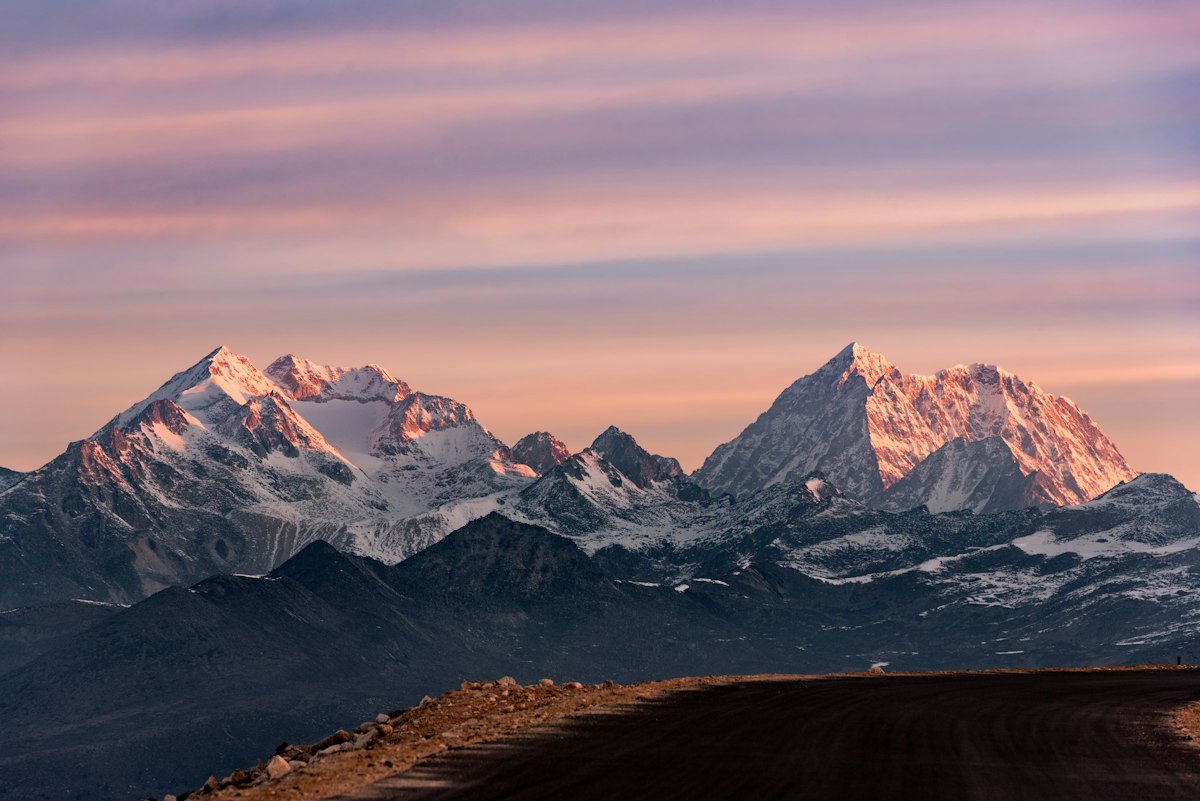
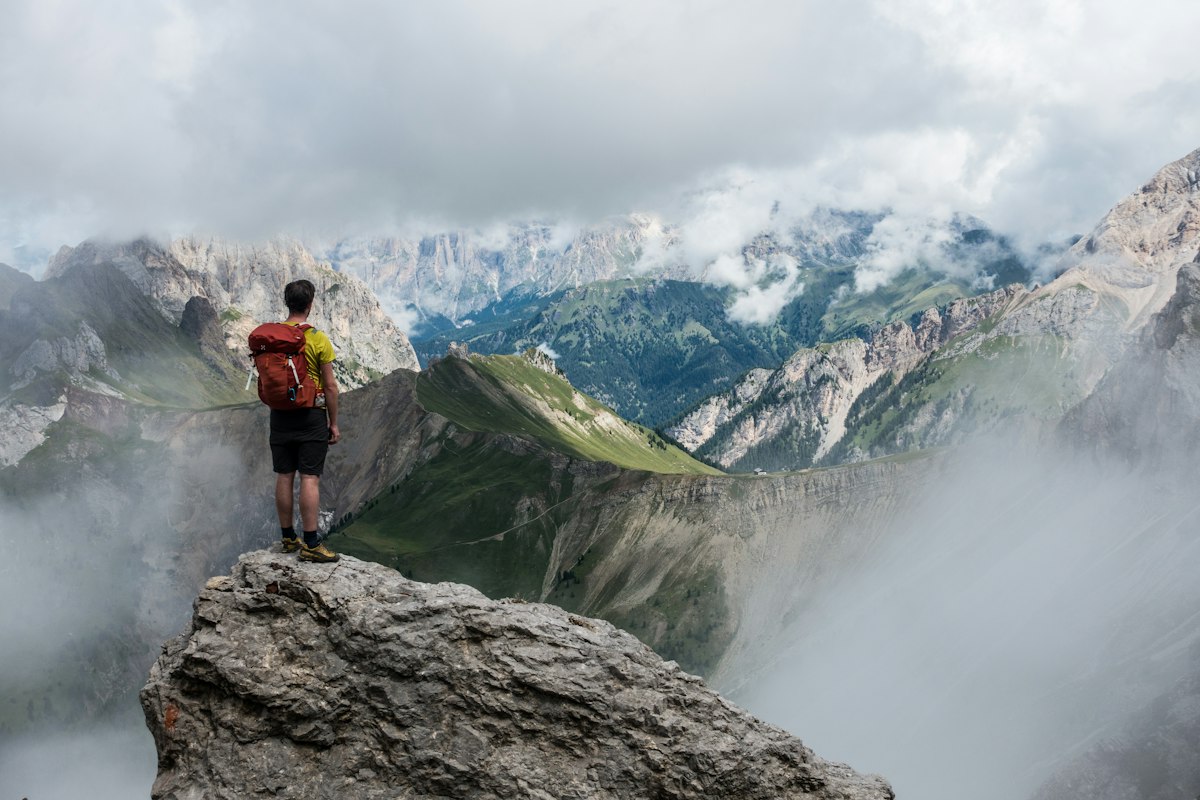
The trek to Chorabari Tal promises an immersive Himalayan experience. As you ascend from Kedarnath, you'll traverse through picturesque grassy fields, often encountering a beautiful waterfall, the Madhu Ganga, en route. The path, largely paved for a significant stretch, makes the ascent manageable for most trekkers. Upon reaching the 'tal' (lake), you'll be greeted by a breathtaking panorama of snow-capped peaks, including Kedarnath and Kirthi Stambh, reflected in the serene (though now more stream-like) waters. The crisp mountain air and tranquil ambiance offer a perfect setting for quiet contemplation and photography.
Stunning Himalayan Views: Witness majestic peaks like Kedarnath and Kirthi Stambh.
Serene Environment: Experience profound peace amidst the high-altitude landscape.
Historical Connection: Reflect on the immersion of Mahatma Gandhi's ashes.
Spiritual Aura: Connect with the ancient belief of Lord Shiva's yoga teachings.
Visitor Tip: Start your trek early in the morning to experience the best weather, avoid crowds, and witness the changing hues of the mountains. The weather in this region can change rapidly.
How to Reach
From Kedarnath Temple, the trek to Chorabari Tal is approximately 3 kilometers. The trail begins near the iron bridge over the Mandakini River. While the initial trek to Kedarnath starts from Gaurikund (16 km), the final leg to Chorabari Tal is a relatively shorter and direct ascent from the temple.
Important: Carry adequate warm clothing, sturdy trekking shoes, and sufficient water and snacks, as there are no shops or facilities available at Chorabari Tal. Acclimatize at Kedarnath before proceeding to avoid altitude sickness.