Planning your Kedarnath Yatra in 2024? Our complete guide covers the trek, registration, best time to visit, and essential tips for a divine pilgrimage.
Answering the call of the Himalayas is a dream for many, but the pilgrimage to Kedarnath is a journey that transcends mere travel. It's a test of faith, endurance, and spirit. Nestled at a breathtaking altitude of 3,583 meters (11,755 ft), the ancient Kedarnath Temple, one of the twelve Jyotirlingas of Lord Shiva, beckons devotees to undertake a challenging yet profoundly rewarding trek. This comprehensive guide is your trusted companion for the Kedarnath Yatra in 2024, ensuring your spiritual quest is safe, smooth, and unforgettable.
Planning Your Divine Journey: Key Preliminaries
A successful Kedarnath Yatra begins long before you take the first step on the trail. Meticulous planning is crucial for this high-altitude pilgrimage. Here’s what you need to cover first.
Best Time to Visit
The portals of the Kedarnath Temple typically open in late April or early May (on Akshaya Tritiya) and close for winter in mid-November (on Bhai Dooj). The ideal time for the Yatra is from May to June and from September to October. The monsoon months of July and August should be avoided due to heavy rainfall, which can cause landslides and trekking disruptions.
Himalayan weather is notoriously unpredictable. Even during the peak season, be prepared for sudden temperature drops, rain, and even light snowfall. Always carry multiple warm layers and waterproof gear.
Mandatory Registration
To manage the flow of pilgrims and ensure safety, the Uttarakhand government has made biometric registration mandatory for all Char Dham Yatra pilgrims. You can register online through the Uttarakhand Tourist Care portal or at various physical registration counters in Haridwar, Rishikesh, and other key points. This registration is essential for tracking and emergency purposes.
Physical Fitness and Acclimatization
The 18-kilometer trek to Kedarnath is physically demanding. It involves a steep ascent at high altitude. It is highly recommended to start preparing at least a month in advance with cardiovascular exercises like jogging, cycling, or brisk walking. Proper acclimatization is key to avoiding Acute Mountain Sickness (AMS). Plan to spend a night in a place like Guptkashi or Sonprayag before starting the trek.
The Trek to Kedarnath: Sonprayag to the Sanctum
The main trekking part of your Kedarnath pilgrimage begins from Gaurikund. Private vehicles are only allowed up to Sonprayag, which serves as the main base for the journey ahead.
Route Breakdown:
1. Sonprayag to Gaurikund: 5 km (Shared taxis available).
2. Gaurikund to Kedarnath Temple: 18 km trek.
Key Halts: Jungle Chatti (4 km), Bheembali (3 km), Linchauli (4 km), and Kedarnath Base Camp (4 km).
From Sonprayag, you'll take a local jeep to Gaurikund, the official starting point of the trek. The path is well-paved but steep. For those who find the trek challenging, there are options like ponies (mules/khachars) and palkis (dolis/palanquins) available for hire. Rates are fixed by the government. Helicopter services are also available from Phata and Guptkashi, but they are highly weather-dependent and must be booked well in advance.
Accommodation and Darshan at Kedarnath
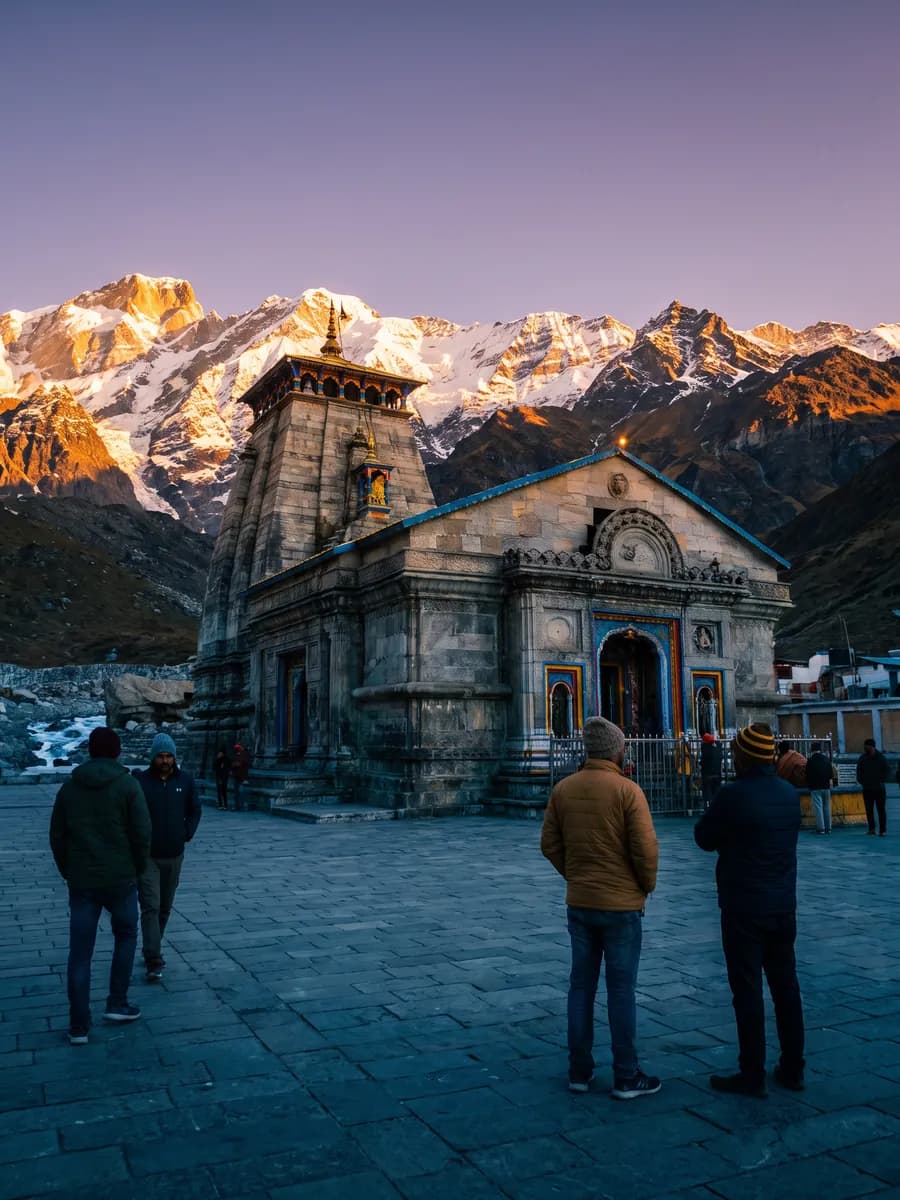
Reaching the Kedarnath temple town after a long trek is a moment of pure bliss. The sight of the ancient stone temple against the backdrop of the Kedar Dome peak is awe-inspiring.
Staying Near the Temple
Accommodation at Kedarnath is basic and primarily consists of government-run camps, cottages, and tents managed by Garhwal Mandal Vikas Nigam (GMVN), along with some private tents and ashrams. It is absolutely essential to book your stay well in advance, especially during the peak season, as options are limited and fill up fast.
Book your accommodation through the official GMVN website as soon as the Yatra dates are announced. On-the-spot bookings are extremely rare and unreliable during peak times.
The Divine Darshan
After settling in, prepare for the darshan. Be prepared for long queues, which can take several hours. The temple doors open early in the morning for Abhishek Puja and close late at night after the Shayan Aarti. The energy inside the sanctum sanctorum, where you can touch the sacred pyramidal rock form of Lord Shiva, is powerful and transformative.
Essential Packing List & Health Precautions
Packing smart is crucial for a safe and comfortable Yatra. Here’s a checklist of essentials:
Warm Clothing: Multiple layers including thermals, fleece jackets, and a heavy windproof/waterproof jacket.
Footwear: Sturdy, waterproof trekking shoes with good grip.
Health Kit: Personal medications, pain relievers, bandages, antiseptic, and medicines for AMS (like Diamox, after consulting a doctor).
Accessories: Woolen cap, gloves, socks, sunglasses, sunscreen, and a walking stick.
Electronics: Power bank, extra batteries, and a headlamp or torch.
Documents: Yatra registration slip, valid ID proof (Aadhaar/Voter ID), and booking confirmations.
Acute Mountain Sickness (AMS) is a serious risk. Symptoms include headache, nausea, and dizziness. If you experience these, do not ascend further. Stay hydrated, avoid alcohol, and walk at a slow, steady pace. Inform authorities if symptoms worsen.
The Kedarnath Yatra is more than a pilgrimage; it is a profound journey of self-discovery and devotion. It pushes your physical limits while elevating your spiritual consciousness. With careful planning and a heart full of faith, you can successfully complete this sacred trek and receive the blessings of Lord Kedarnath. Are you ready to answer the call of the divine? Har Har Mahadev!
Kedarnath Yatra 2024: Your Ultimate Guide to the Latest Updates & Changes
Har Har Mahadev! The call of the mountains is echoing, and the sacred abode of Lord Shiva awaits. The Kedarnath Yatra is not just a journey; it's a profound pilgrimage that tests your endurance and rewards your spirit. As your trusted travel expert at Staykedar, we are here to guide you through all the latest updates and essential information for a safe, smooth, and spiritually fulfilling yatra.
Every year, the administration introduces new guidelines to manage the massive influx of devotees and ensure everyone's safety. Staying informed is the first step towards a successful pilgrimage. Let's dive into everything you need to know for your divine trek to Kedarnath.
Kedarnath Yatra: Key Dates and Essential Information
Portal Opening and Closing Dates
The gates to the divine Kedarnath Temple are opened on the auspicious occasion of Akshay Tritiya and closed on Bhai Dooj. These dates are determined by the Hindu calendar and are officially announced by the temple committee.
Opening Date (Tentative): Around 10th May 2024 (Akshay Tritiya).
Closing Date (Tentative): Early November 2024 (Bhai Dooj).
Always confirm the official dates announced by the Badrinath-Kedarnath Temple Committee (BKTC).
Temple Darshan Timings
While the temple remains open for a significant part of the day, specific timings are allocated for general darshan and special pujas. Generally, the temple opens around 4:00 AM and closes around 9:00 PM, with a brief closure in the afternoon. Plan your trek to arrive with enough time for a peaceful darshan.
Your Pre-Yatra Checklist: Mandatory Registration & Health Advisory
Compulsory Yatra Registration
To ensure better crowd management and the safety of all pilgrims, the Uttarakhand government has made biometric registration mandatory for every single person undertaking the Char Dham Yatra, including the Kedarnath Yatra. You will not be allowed to proceed beyond the checkpoints without a valid registration QR code.
Visit the official Uttarakhand Tourism registration portal.
Fill in your details accurately and upload the required documents (like an Aadhar card).
Download your Yatra Registration Letter (with the QR code) and keep multiple copies (digital and physical).
Complete your registration online well in advance! This saves you from standing in long queues at offline registration counters in Haridwar, Rishikesh, or Sonprayag, allowing you to start your journey smoothly.
Health and Fitness Advisory
The trek to Kedarnath is a challenging one, reaching an altitude of 3,583 meters (11,755 feet). The high altitude and steep climb can be physically demanding. The administration has become very strict about the health of pilgrims.
A mandatory health screening will be conducted at various points en route. Pilgrims with comorbidities, respiratory issues, or those who are not physically fit may be advised not to proceed. It is highly recommended to get a thorough medical check-up before starting your journey.
The Sacred Trek: Route Updates and Travel Options
The Sonprayag to Kedarnath Trek Route
The soul of the yatra lies in the 18 km trek from Gaurikund to the Kedarnath Temple. The journey is breathtaking, with the Mandakini river flowing beside you and snow-capped peaks watching over. The route has been significantly improved over the years for safety and convenience.
Route Summary: Sonprayag (Vehicle Drop) -> 5 km shared taxi to Gaurikund (Trek Start) -> 18 km Trek -> Kedarnath Temple. The path is well-paved with railings, shelters, and refreshment stalls at regular intervals.
Helicopter, Pony, and Palki Services
For those unable to trek, several options are available. Helicopter services can be booked from Phata, Sersi, and Guptkashi. Pony (mule) and Palki (doli) services are also available from Gaurikund. Rates for these services are fixed by the local administration.
Only book helicopter tickets from the official IRCTC portal. Beware of fraudulent websites and agents promising tickets at discounted rates. Bookings open on specific dates and get filled within minutes.
Be Prepared: Kedarnath Weather and Packing Essentials
The weather in the Himalayas is notoriously unpredictable. One moment it's sunny, and the next it could be raining or even snowing. Being well-prepared is non-negotiable.
Weather Conditions: Expect cold temperatures throughout the yatra season. Days can be pleasant, but nights are very cold (often dropping below 5°C). Rain is common, and light snowfall can occur even in May or June. Always check the latest weather forecast before starting your trek.
Your Essential Packing List
Clothing: Layered woolens, thermal wear, waterproof and windproof jacket and pants.
Footwear: Sturdy trekking shoes with excellent grip. Do not wear slippers or regular sports shoes.
Health Kit: Personal medications, first-aid kit, pain relievers, and medicines for altitude sickness (consult your doctor).
Essentials: Power bank, torch/headlamp, sunscreen, sunglasses, cap, water bottle.
Documents: Original Aadhar Card, Yatra Registration Slip.
Pack light but smart. A heavy backpack will make the trek much harder. Carry only what is absolutely necessary. You can hire a porter from Gaurikund to carry your main luggage.
Conclusion: Your Divine Journey Awaits
The Kedarnath Yatra is a journey of faith, devotion, and immense natural beauty. With these latest updates, you are now better prepared to embark on this sacred adventure. Remember to respect the mountains, acclimatize properly, and stay hydrated.
Feeling overwhelmed with the planning? Let Staykedar handle it for you. We specialize in crafting seamless and spiritually enriching Kedarnath and Char Dham Yatra packages, taking care of your transport, accommodation, and registration needs. Contact us today, and let's begin your journey to the abode of Lord Shiva.
Har Har Mahadev!
Written by
StayKedarnath Team
Local knowledge and practical guidance for your Kedarnath and Char Dham journey.